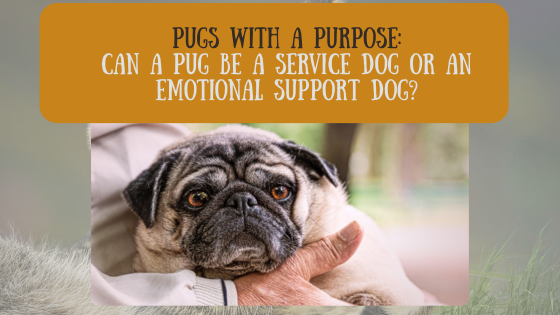
Let’s be honest, Pugs are the cutest creatures on earth with their squishy faces and curly tails, and the way they trot around like a tiny pillow leaves everyone in awe. So it’s fair to wonder: can a dog built for lap-sitting and comedy actually hold down a “job”?
These small breeds are showing up in emotional support roles more than ever, and pugs are following closely behind Chihuahuas, Frenchies, and other cute companions.
They don’t look like Golden Retrievers guiding someone across a busy street, and that is absolutely fine because that’s not the role they are built for.
Their quirks make them adorable and make every pug look like they are up to something. Before we dive deep into knowing what kind of assistance work suits them, it is better to know the difference: a Service Dog (SD) is trained to carry out certain tasks for a person with a disability, while an Emotional Support Animal (ESA) just provides comfort to its owner, even without formal training.
The general concept of a “dog helps human” in making life easier is there, but the legal implications and functions are quite different.
Pugs as Service Dogs: The Pros and Cons
According to the ADA, a service animal is a specifically trained animal that helps people with physical and mental disabilities. Although the bar is high, pugs can meet some of the requirements.
The Pros:
- Highly attentive: Pugs are well-known as “Velcro dogs.” They always sense moods and changes in the owner’s circumstances, which makes them naturally good at noticing when something is wrong.
- Portability: They can fit into airplane cabins, under tables in restaurants, and on laps.
- Non-intimidating: Their goofy look tends to put strangers at ease instead of triggering the “is that dog going to bite me” flinch.
The Cons:
- Physical limitations: Pulling a wheelchair or providing bracing support is off the table entirely.
- Brachycephalic syndrome: Flat faces mean limited stamina, and pugs simply can’t work long hours outdoors, especially in heat.
Where pugs genuinely shine is in roles that don’t demand brute strength: medical alert work (sensing blood sugar drops in diabetics), hearing assistance (alerting deaf owners to sounds), and psychiatric service work, where their lap-sized frame is perfect for delivering Deep Pressure Therapy during a panic attack.

Pugs as Emotional Support Animals: The Pros and Cons
Unlike a service dog, an Emotional Support Animal (ESA) doesn’t need any kind of task training—their main job is simply being their wonderful, comforting selves! For folks dealing with anxiety, depression, or just going through a tough time, a pug’s constant companionship, goofy snorts, and warm cuddles can be incredibly therapeutic.
To make their very important job official, you just need an ESA letter from a licensed mental health professional. This simple document states that your squishy-faced best friend provides necessary emotional support, which helps ensure you can keep your pup by your side in housing, even if a building normally has a “no pets” policy.
The Pros:
- Born cuddlers: Pugs were bred by Chinese emperors to be lap dogs. Therefore, these goofy balls have been helping people for ages.
- Mood boosters: Pugs can cheer people up. It’s very hard to feel down or sad while a pug is doing its head tilt or having a full zoomie.
- Low exercise needs: Great for anyone suffering from depression who is not willing to go for a five-mile run every day.
The Cons:
- Separation anxiety: Pugs bond hard, and that closeness can turn into real distress when left alone.
- Stubbornness: ESAs skip the intense task training, but basic obedience still matters, and pugs are famously hard to budge once they’ve decided something.
Key Pug Traits to Consider Before Choosing One for Support
Here are some facts that you should know before getting yourself a pug in a supportive role:
- The shedding: It’s a lot. Genuinely more than the size of the dog would suggest.
- Health maintenance: Wrinkle cleaning, temperature control, and weight monitoring aren’t optional extras. They take real mental bandwidth on top of everyday care.
- The snoring: Some pug owners think snoring is calming like white noise, while others consider it a distraction.
The Final Verdict on Pugs
Is it possible for these goofy, cuddly companions to become good assistance dogs? Absolutely. Thanks to their history as devoted lap dogs and their natural “Velcro dog” attentiveness, pugs have a wonderful foundation for sensing moods and offering immediate comfort. Their portability and non-intimidating presence also make them a joy to have around in tight public spaces, like airplane cabins or under restaurant tables.
However, it is crucial to respect their physical limits. Because of their flat faces and limited stamina, pugs simply are not built for long hours working outdoors in the heat. They also lack the size and brute strength required for heavy-duty tasks like guiding a handler across a busy street, pulling a wheelchair, or providing bracing support.
Where pugs genuinely shine is in roles that rely on their deep bond with their humans rather than sheer size. They show exceptional results when used as emotional support animals—capable of lifting a depression fog with a simple head tilt—or performing specific service tasks like medical alert work, hearing assistance, and delivering Deep Pressure Therapy during psychiatric emergencies.
If you are thinking of making your pug a service dog or an emotional support animal, USA Service Dogs can help. They offer expert guidance and assistance in choosing the right designation for your needs. Once you have decided on the best path, they also provide comprehensive help with navigating paperwork, securing the proper equipment, and fully understanding your legal rights as a handler.